The continued expansion of the UK’s offshore renewable energy sector could inspire a new generation of maritime careers while creating significant opportunities for coastal communities.
The launch of the North Yorkshire Maritime and Renewable Cluster has highlighted how major developments such as Dogger Bank Wind Farm could support businesses, education providers and future workers across the region.
The cluster has been established to connect businesses, schools and colleges with opportunities emerging from offshore energy projects and the wider maritime sector.
Former marine engineer and shipping lawyer Iain Butterworth believes the transition to clean energy presents an opportunity to reconnect younger generations with Britain’s maritime industries.
Butterworth spent 15 years at sea and is a former chair of the Humber Marine and Renewables Cluster, which grew from a small group of businesses into a network of hundreds of members.
The Dogger Bank opportunity
Central to North Yorkshire’s emerging offshore energy economy is Dogger Bank Wind Farm.
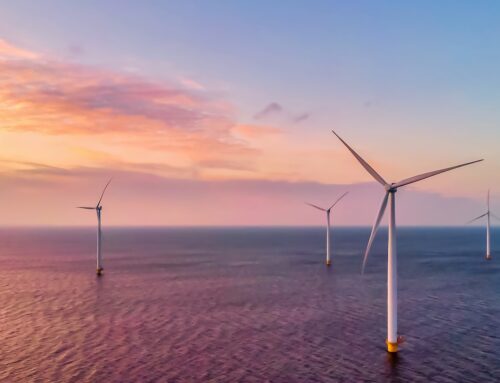
Situated in the North Sea, the development is expected to be completed in 2027 and become the world’s largest offshore wind farm.
A report published in November 2025 estimated that Dogger Bank could contribute more than £6 billion to the UK economy.
Its impact extends far beyond renewable electricity generation. Projects on this scale require extensive supply chains encompassing engineering, vessel operations, maintenance, logistics, construction and specialist professional services.
For communities along the Yorkshire coast, the opportunity lies in ensuring local businesses and workers are positioned to participate.
A story familiar to Norfolk and Suffolk
For HSEQ-360 Limited, based in East Anglia, the changing relationship between coastal communities and the North Sea is particularly relevant.
Fishing was once central to the economy and identity of towns such as Lowestoft and Great Yarmouth. Although the industry has declined substantially from its former scale, the North Sea is creating a different generation of opportunities.
Both towns have developed important roles within the offshore energy sector, building upon decades of experience associated with oil and gas and, increasingly, offshore wind.
Lowestoft has become a significant operations and maintenance location for offshore wind, while Great Yarmouth supports offshore projects through its port, supply chain and specialist energy businesses.
Major developments off the Norfolk and Suffolk coasts are bringing further demand for vessels, engineers, technicians, contractors and support services.
The vessels and technologies may have changed, but the connection with the sea remains.
Developing the next generation
One of the priorities of the North Yorkshire cluster is improving awareness of maritime and renewable energy careers among young people.
That challenge applies equally to East Anglia.
As offshore wind expands, the sector requires people with technical skills, maritime experience and an understanding of the health, safety, environmental and quality standards required to operate successfully.
Creating visible routes from schools and colleges into maritime, engineering and renewable energy employment could help develop the skills pipeline needed over the coming decades.
It also provides an opportunity to demonstrate that coastal communities can continue to build careers around the sea, even as the industries operating there evolve.
Opportunities throughout the supply chain
The experience of the Humber and East Anglia demonstrates how offshore development can create opportunities extending well beyond energy developers themselves.
Engineering companies, ports, vessel operators, environmental specialists, training providers, logistics businesses and professional services can all form part of the offshore renewable energy supply chain.
For regional businesses, collaboration between industry and education can provide greater visibility of future requirements and help develop the skills and capabilities needed to participate.
Infrastructure matters too.
The North Yorkshire Maritime and Renewable Cluster is supporting proposals for a boat hoist at Scarborough Harbour’s West Pier, which could allow the harbour to accommodate more vessels servicing offshore wind farms.
There are clear parallels with the investment and development that have helped Lowestoft and Great Yarmouth adapt to the changing demands of the offshore energy industry.
From fishing fleets to wind farms
Britain’s relationship with the North Sea has continually evolved.
For generations, fishing fleets provided livelihoods and shaped communities along the East Anglian and Yorkshire coasts. Offshore oil and gas subsequently created new industries, skills and employment.
Today, offshore wind represents another chapter.
Dogger Bank demonstrates the scale of the opportunity for Yorkshire, just as renewable energy developments off Norfolk and Suffolk are helping reshape East Anglia’s economy.
For HSEQ-360 Limited and businesses working throughout the sector, growth also reinforces the importance of maintaining robust health, safety, environmental and quality standards as new workers and suppliers enter the industry.
The North Sea may be changing, but it remains a source of employment, skills and opportunity for the coastal communities that have depended upon it for generations.
Read the original BBC News report:
https://www.bbc.co.uk/news/articles/ckp8426d180no?app-referrer=deep-link