Public perceptions of offshore wind may be changing, judging by the largely positive reactions in Cornwall, where 5 areas of seabed have been identified for turbines. We’ve all seen, particularly recently, with rising costs of petrol, diesel, gas and electricity that changes are needed in the way we work and live. Add in the recent heatwave that has affected Europe and the UK and it’s not difficult to see why negativity is being dispelled.
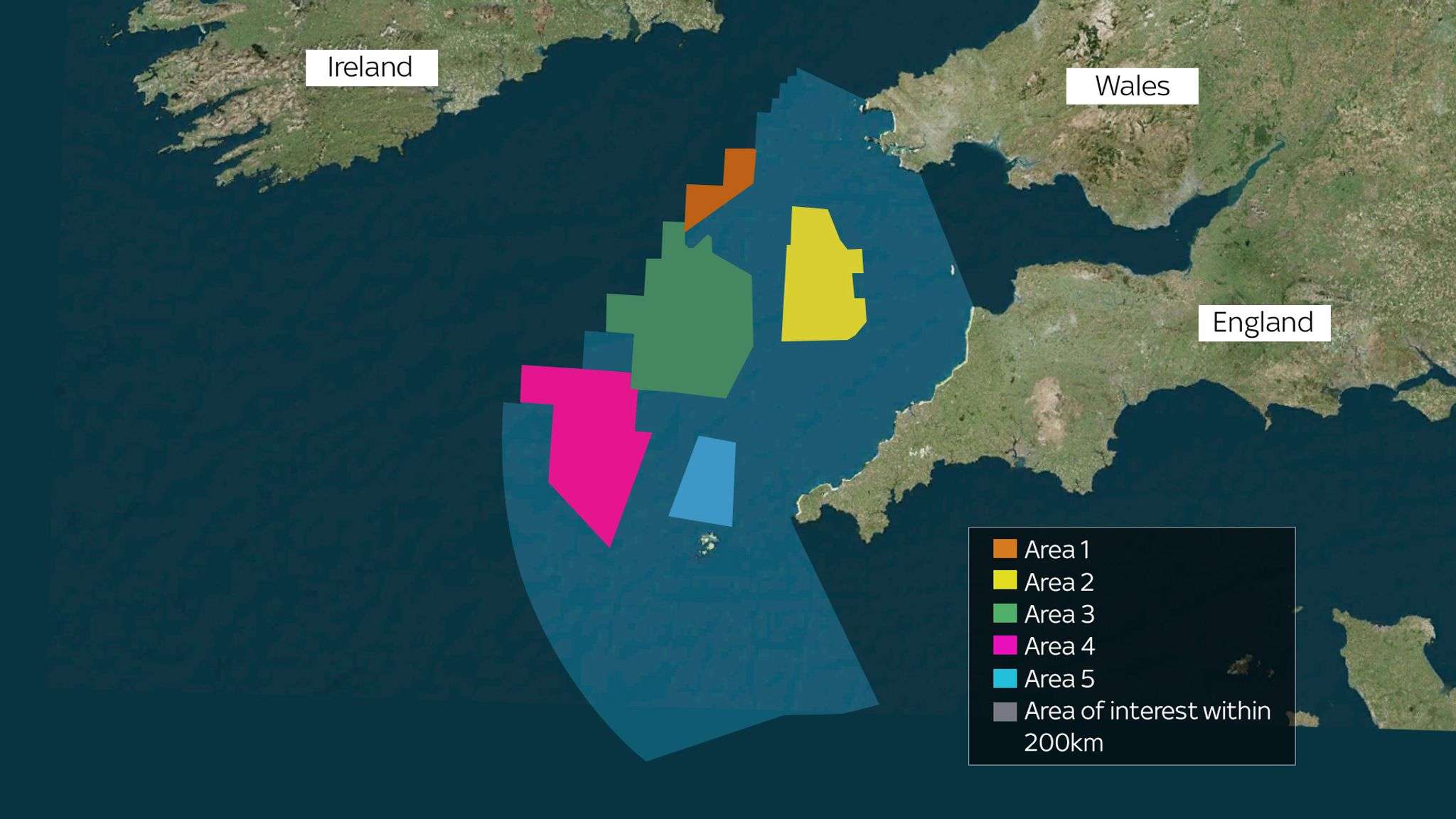
The other eye-catching aspect of the offshore Cornwall plans is not just the scale of them, but the fact that they will float.
We’ve written before about the advantages of floating wind farms, over fixed ones. They reportedly have:
- Reduced installation costs
- Lower maintenance
- Longer lifespans
- Lower environmental impact
- Higher energy outputs as the turbines can move location
They will be open for competitive tender next year and will be home to the first generation of commercial-scale floating wind farms. The scale is impressive too – 4 gigawatts of power by 2035 which will power four million homes.
The Crown Estate has endorsed plans with Huub den Rooijen stating:
“The Celtic Sea has the potential to become one of the great renewable energy basins of the world, bringing economic growth and abundant clean power.”
“This leasing round is a first step, and we need to work together to bring technology costs down, deliver environmentally sound solutions and respect the needs of the many other users of the marine space.”
As we all know, offshore wind farms are often built close to shore, which can raise opposition. In our area, Scroby Sands near Great Yarmouth is easily visible from inland but this new technology means they can be installed further out to sea. They are typically built on steel and concrete platforms, that float. They are tethered to seabeds with cables and anchors, with the reduced costs meaning they can be located in deeper water – away from coastal eyes. Winds are obviously stronger the further you travel on sea and there is less disruption to avian and marine life, fishing fleets and the like.
The Minister of State for Business, Energy and Clean Growth, Greg Hands, said:
“We already have the largest offshore wind deployment in Europe. Floating technology is key to unlocking the full potential of our coastline.”
This flagship project is one we watch with great interest at HSEQ-360 Limited. If it proves to be a success 30 miles from Land’s End, who’s to say this won’t be replicated across the UK?
Here’s an explainer video too of how floating turbines work – close to home too in Scotland from National Geographic.