Norfolk at the heart of a global renewable energy project
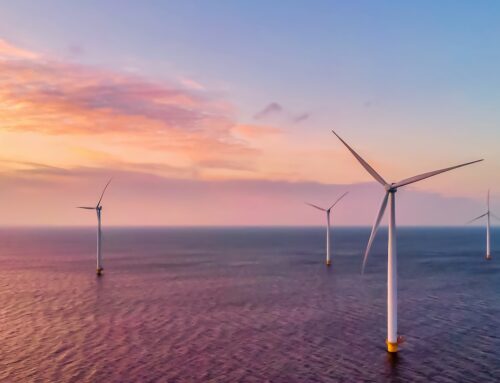
Norfolk is playing a pivotal role in one of the world’s most ambitious renewable energy developments. Ørsted’s Hornsea Three offshore wind farm, currently under construction approximately 120km off the Norfolk coast, is expected to become the world’s largest offshore wind farm when completed, generating up to 2.9GW of electricity. That’s enough to supply around 3.3 million UK homes.
While the turbines themselves will stand far out at sea, the success of the project depends just as much on the extensive onshore infrastructure being built across Norfolk, demonstrating how offshore wind is a truly integrated engineering achievement.
The critical role of the onshore converter station
At Swardeston, just outside Norwich, a 49-acre converter station is taking shape. Unlike a conventional electricity substation, the facility converts high-voltage direct current (HVDC) generated offshore into alternating current (AC) before electricity is transferred into the National Grid.
The site also incorporates a Battery Energy Storage System (BESS), allowing excess renewable electricity to be stored and released when demand increases. As the UK continues to expand renewable generation, battery storage is becoming an increasingly important component of grid resilience and energy security.
Construction began in 2023 and has progressed rapidly, with major structural works now complete and electrical equipment installation well underway.
Delivering engineering on an extraordinary scale
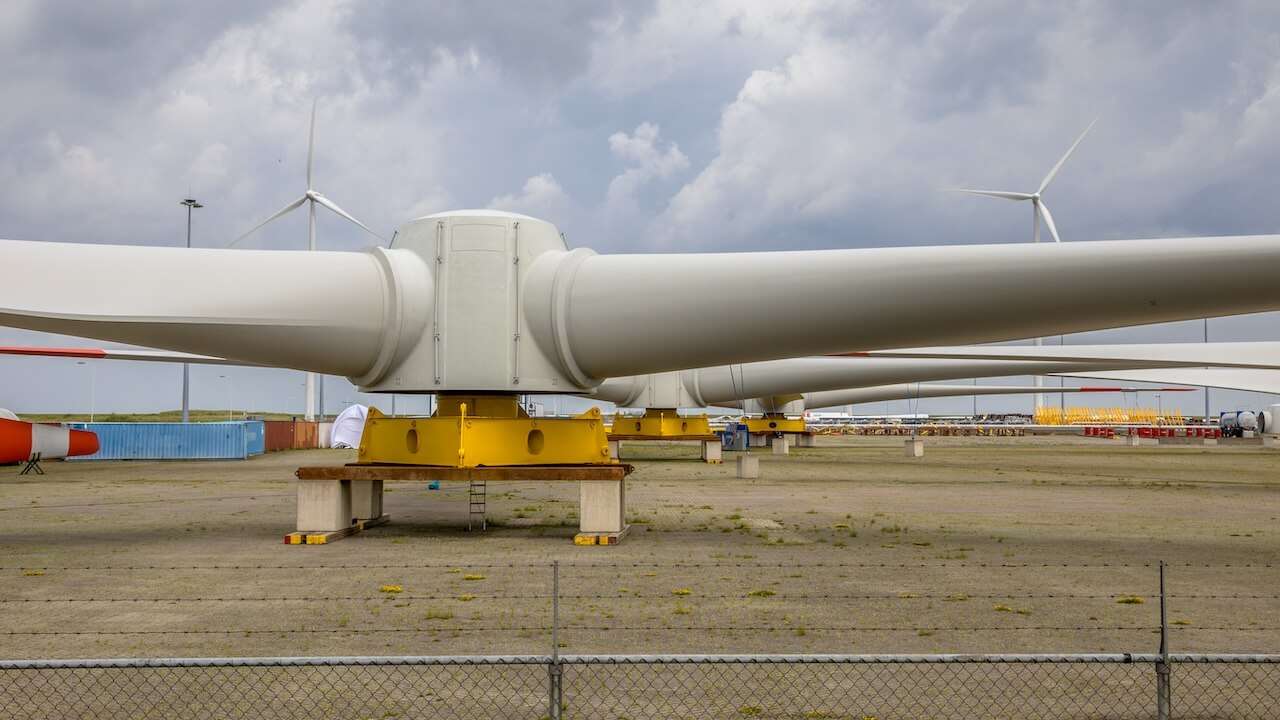
One of the most visible aspects of the project has been the transportation of enormous transformers from the Port of King’s Lynn to Swardeston.
Each abnormal load travels approximately 46 miles at speeds of around 12mph, taking up to nine hours to complete the journey. Scheduled on Sundays to minimise disruption, every movement requires detailed logistical planning involving police escorts, temporary traffic management and extensive route surveys.
The scale of these operations highlights the complexity of delivering offshore wind infrastructure long before electricity reaches consumers.
Offshore construction gathers pace
Construction offshore has also reached significant milestones.
Installation of the first of 197 monopile foundations began earlier this year, with each enormous steel foundation forming the base for an offshore wind turbine capable of generating clean electricity for decades.
Once completed, Hornsea Three will join Ørsted’s existing Hornsea projects, reinforcing the UK’s position as a global leader in offshore wind generation. Ørsted are a company we are delighted to work closely with too.
Safety remains central throughout delivery
Projects of this scale inevitably attract scrutiny, particularly regarding safety and environmental protection.
The inclusion of large-scale battery storage has prompted questions around lithium-ion fire risks. However, Norfolk Fire and Rescue Service raised no objections during the planning process, while Ørsted has consistently stated that safety remains its highest priority throughout design, construction and future operation.
For projects involving high-voltage electrical infrastructure, heavy lifting operations, marine construction and complex logistics, robust health, safety and environmental management is fundamental to successful delivery.
Comprehensive risk assessments, contractor management, emergency planning and strict compliance procedures underpin every phase of construction.
Balancing renewable energy with environmental concerns
While Hornsea Three represents a major step towards the UK’s net-zero ambitions, the development has also generated debate.
Environmental organisations have raised concerns about potential impacts on wildlife, including seabird populations such as kittiwakes. Local campaign groups have also questioned whether future offshore generation should be connected via offshore energy hubs rather than requiring extensive inland transmission infrastructure.
These discussions illustrate one of the key challenges facing the renewable energy sector: balancing the urgent need for clean energy with environmental protection and community considerations.
What Hornsea Three means for the future
Hornsea Three demonstrates that offshore wind is about far more than turbines at sea. It involves complex civil engineering, electrical infrastructure, marine logistics, battery storage, environmental management and rigorous health and safety standards working together as one integrated system.
As the UK continues to expand offshore renewable energy, projects like Hornsea Three will shape not only the nation’s energy security but also the future of engineering, infrastructure delivery and HSEQ excellence.
For organisations working across the offshore sector, maintaining the highest standards of health, safety, environmental management and quality assurance will remain essential as projects continue to increase in both size and complexity.
HSEQ-360 Limited supports businesses across the offshore and energy sectors with practical HSEQ consultancy, helping organisations, like Ørsted and others, achieve compliance, improve operational performance and create safer working environments throughout every stage of major infrastructure projects.