If there’s one lesson the offshore wind industry continues to teach us, it’s that success doesn’t happen in isolation.
Whether it’s a turbine manufacturer in Europe, a vessel operator in Asia, a developer in the UK or a specialist contractor working offshore, every wind farm is the result of hundreds of organisations pulling in the same direction.
Recent discussions between the UK and Japan on closer offshore wind cooperation reinforce a simple truth: offshore wind is perhaps the ultimate team sport.
Bigger than steel and turbines
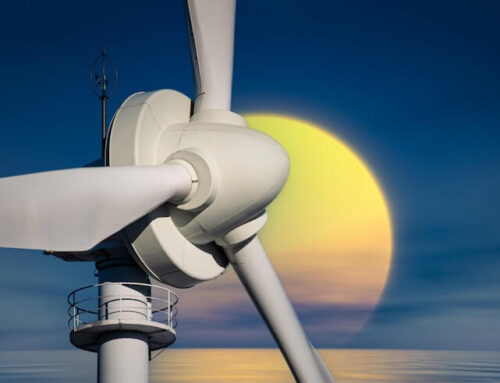
When people think about offshore wind, they often picture towering turbines rising from the sea. What they don’t see is the enormous network of relationships needed to make those projects a reality.
Governments create policy; ports provide infrastructure; engineers design foundations; manufacturers build components; vessel operators transport equipment; contractors install it. And HSEQ professionals help keep everyone safe.
Take away any one of those links and the whole chain becomes weaker.
The reality is that offshore wind isn’t built by companies – it’s built by partnerships.
The power of shared knowledge
As projects move further offshore and grow in scale, the challenges become increasingly complex.
Skills shortages, supply chain pressures, rising costs, environmental considerations and evolving regulations are issues being faced around the world.
That’s why international collaboration matters.
When countries, developers and supply chains share experience, everyone benefits. Lessons learned on one project can help avoid costly mistakes on another. Innovations developed in one market can accelerate progress elsewhere.
In an industry evolving as quickly as offshore wind, knowledge-sharing is becoming just as valuable as the technology itself.
Safety doesn’t stop at the company boundary
Collaboration is especially important when it comes to health, safety, environment and quality.
An offshore wind project may involve dozens of contractors and hundreds of workers from different organisations, all operating in challenging environments.
The safest projects aren’t necessarily those with the biggest safety manuals.
They’re the ones where organisations communicate openly, share information freely and work together to solve problems before they become incidents.
A strong safety culture is rarely created by one company. It’s built collectively.
The industry’s secret ingredient
The offshore wind sector often talks about innovation, investment and net zero.
But perhaps its greatest strength is something much simpler.
Cooperation.
The willingness of competitors to share learning. The ability of contractors and clients to work towards common goals. The partnerships between governments, developers and supply chains that turn ambitious plans into operational assets.
In many ways, offshore wind’s most important renewable resource isn’t the wind itself.
It’s collaboration.
How HSEQ-360 Limited supports offshore wind collaboration
At HSEQ-360 Limited, we understand that successful projects depend on people, processes and partnerships working together.
From contractor management and auditing to compliance support, risk management and HSEQ systems, we help organisations create the frameworks that allow collaboration to thrive while maintaining the highest standards of safety, environmental performance and quality.
Because when everyone is working towards the same objective, great things can happen offshore.
We know it as we have great team members and great companies we work with – collaboratively.