France, a country historically known for its reliance on nuclear power, is now making significant strides in offshore wind energy. While the UK, Germany, and Denmark have led the European offshore wind sector for years, France is catching up, driven by ambitious government policies, technological advancements, and a commitment to reducing carbon emissions.
Before we wax lyrical though about French offshore wind, we like to be a bit quirky at HSEQ-360 Limited and we will preface this new February 2025 blog post, with seven little known facts about France.
1. France has the most time zones in the world
Thanks to its overseas territories, France spans 12 time zones, more than any other country, including the U.S. and Russia.
2. There’s only one stop sign in Paris
In a city with thousands of streets, there used to be just one official stop sign near the exit of a construction company. It has since been removed, meaning Paris technically has zero stop signs; traffic flows using roundabouts and right-of-way rules.
3. French was the official language of England for 300 years
After the Norman Conquest of 1066, French became the official language of England and was used in government, law, and the upper class until the late 14th century.
4. Louis XIX was king for just 20 minutes
The shortest reign of a monarch in history belongs to Louis XIX, who abdicated just 20 minutes after being crowned in 1830.
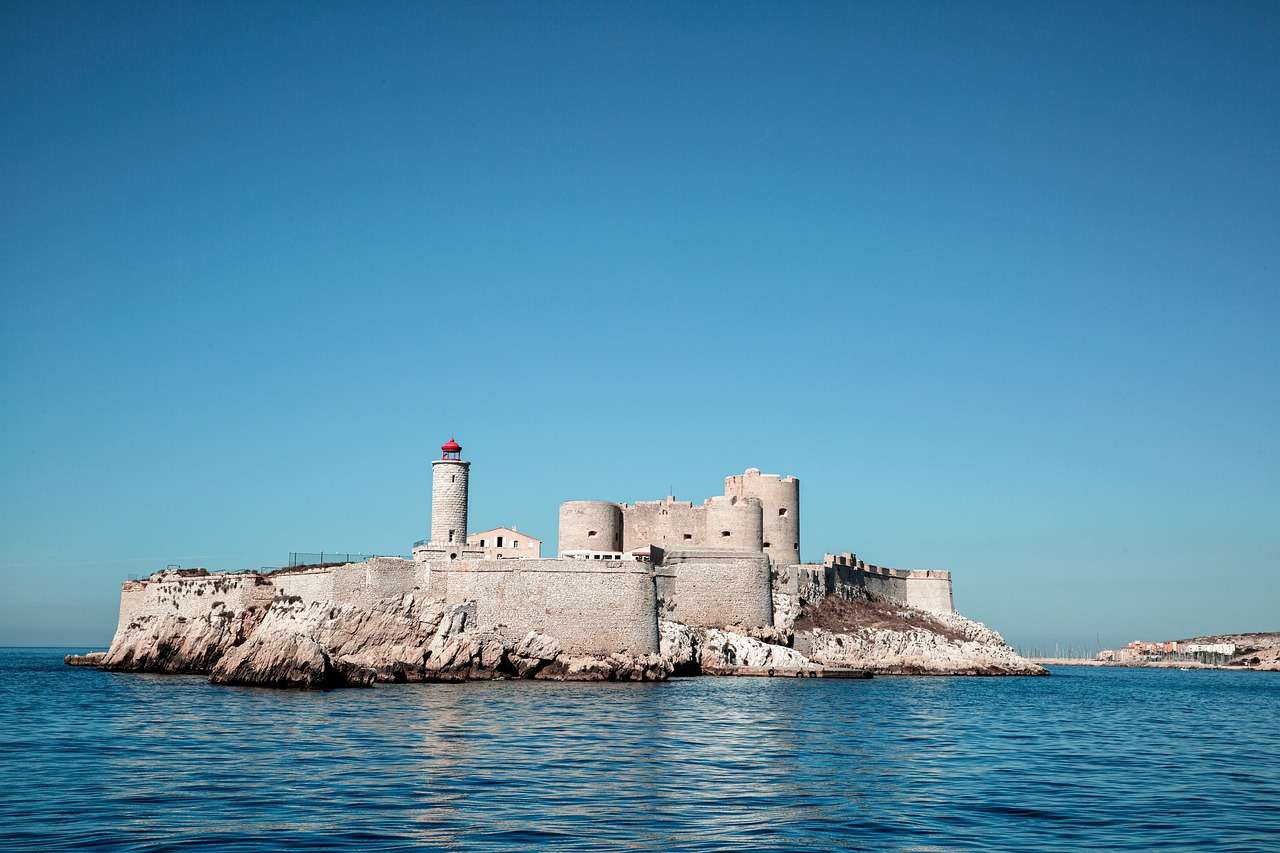
6. The Guillotine was used until 1977
France still used the guillotine for executions until 1977, when Hamida Djandoubi became the last person to be executed in Marseille.
7. There’s a town named Y
In the Somme department of northern France, there’s a tiny village simply called Y, the shortest place name in the world.
Quirks to one side, France now takes offshore wind seriously and is becoming a global leader in this field (or sea). With it being so close, geographically to the UK, that spells good news here too.
The rise of offshore wind in France
France has one of the largest maritime areas in Europe, with vast coastlines along the Atlantic Ocean, the English Channel, and the Mediterranean Sea. Despite this natural advantage, its offshore wind industry has developed more slowly than its neighbours due to lengthy permitting processes and regulatory challenges. However, in recent years, the French government has accelerated efforts to harness its offshore wind potential.
The first commercial-scale offshore wind farm, Saint-Nazaire, became fully operational in late 2022. This marked a turning point for the industry, setting the stage for further projects.
Key offshore wind farms in France
1. Saint-Nazaire Offshore Wind Farm
Capacity: 480 MW
Turbines: 80 General Electric Haliade 150-6 MW
Location: off the coast of Brittany
Commissioning: 2022
As France’s first operational offshore wind farm, Saint-Nazaire generates enough electricity to power around 700,000 homes.
2. Fecamp Offshore Wind Farm
Capacity: 500 MW
Turbines: 71 Siemens Gamesa SG 7.0-154
Location: Normandy
Expected Commissioning: 2025
Fecamp will supply renewable electricity to over 770,000 people and is part of France’s broader push to expand offshore wind in the Normandy region.
3. Courseulles-sur-Mer Offshore Wind Farm
Capacity: 450 MW
Turbines: 75 Siemens Gamesa SG 6.0-154
Location: Normandy
Expected Commissioning: 2025
Located near the historic D-Day landing beaches, this project has been carefully designed to minimise environmental and visual impacts.
4. Saint-Brieuc Offshore Wind Farm
Capacity: 496 MW
Turbines: 62 Siemens Gamesa SG 8.0-167
Location: Brittany
Expected Commissioning: 2025
This wind farm will be France’s first to use “jacket foundation technology”, allowing for greater stability in deep waters.
5. Dunkerque Offshore Wind Farm
Capacity: 600 MWTurbines: yet to be determined
Location: Northern France
Expected Commissioning: Late 2020s
Dunkerque is one of France’s most ambitious offshore wind projects, featuring a competitive bidding process that resulted in record-low electricity prices for offshore wind.
The future: floating offshore wind farms
Beyond fixed-bottom offshore wind farms, France is investing heavily in floating offshore wind technology. This innovation allows turbines to be deployed in deeper waters, unlocking new areas for wind energy production. France has awarded contracts for three floating wind farms in the Mediterranean:
- Golfe du Lion (30 MW)
- EolMed (30 MW)
- Provence Grand Large (25 MW)
Additionally, the French government aims to develop several large-scale floating wind farms by 2030, potentially making France a leader in this emerging sector.
Challenges and Opportunities
Challenges
Regulatory Delays: offshore wind projects in France typically take over a decade from planning to operation due to complex permitting processes.
Local Opposition: fishing communities and environmental groups have raised concerns about the impact of offshore wind farms on marine ecosystems.
Grid Connection: integrating large amounts of offshore wind energy into the French power grid requires significant infrastructure upgrades.
Opportunities
Energy Independence: offshore wind can help reduce France’s reliance on imported fossil fuels.
Economic Growth: the industry is creating thousands of jobs in manufacturing, construction, and maintenance.
Decarbonisation Goals: offshore wind is a key part of France’s strategy to reach net-zero carbon emissions by 2050.
Conclusions
France’s offshore wind industry is finally gaining momentum, with several large projects under construction and ambitious plans for floating wind farms. While challenges remain, the country’s commitment to renewable energy and technological advancements will likely position it as a major player in the offshore wind sector in the coming years.
With strong government support and continued investment, France’s offshore wind farms will play a key role in the country’s clean energy future, reducing emissions and creating jobs.
How we can help you
HSEQ-360 Limited, a team of chartered engineers, health and safety, and quality professionals, can assist your offshore company in enhancing its operations and management systems. We can conduct a thorough review of your company’s processes and implement sustainable strategies tailored to your business’s specific needs.
Our management system is certified to ISO9001, ISO14001, and ISO45001, and we specialise in developing bespoke management systems for businesses. We can conduct an environmental impact assessment on your behalf and provide practical recommendations for environmentally friendly practices.
For more information, please visit our website, follow our active LinkedIn channel, or contact a member of our team at info@hseq360.co.uk