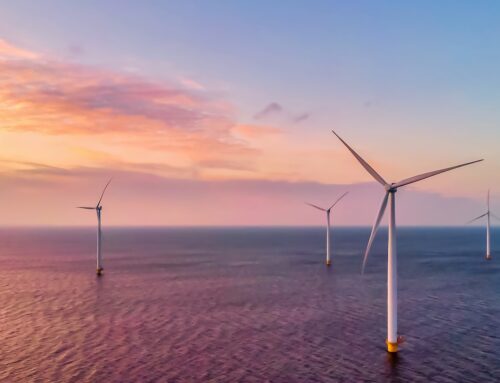
Renewable energy has officially overtaken coal as the world’s leading source of electricity, a historic milestone according to new global data from Ember. This shift marks a significant turning point in the transition towards cleaner, safer, and more sustainable energy systems.
Global electricity demand continues to rise, yet growth in solar and wind generation was strong enough in the first half of this year to meet all additional demand. This even contributed to a small decline in coal and gas usage worldwide.
Why reliance on fossil fuels is poor for the environment
Reliance on fossil fuels such as coal, oil and natural gas is one of the leading causes of environmental degradation worldwide. These fuels have powered industry and transport for more than a century, but their environmental cost is severe. Burning them releases large quantities of carbon dioxide and methane, two powerful greenhouse gases that trap heat in the atmosphere and accelerate global warming. As global temperatures rise, the effects are becoming increasingly visible in the form of more extreme weather, melting ice caps and disrupted ecosystems.
Air pollutants
The combustion of fossil fuels also produces air pollutants such as nitrogen oxides, sulphur dioxide and fine particulate matter. These pollutants contribute to smog and acid rain, which harm both human health and the natural environment. Exposure to polluted air increases the risk of respiratory and heart diseases, and millions of premature deaths each year are linked to air pollution caused by fossil fuel burning. The impact extends to crops, forests and water bodies, weakening ecosystems and reducing biodiversity.
Extracting and transporting fossil fuels causes further environmental damage. Coal mining can scar landscapes and contaminate rivers, while oil extraction and transportation have led to devastating spills that destroy marine and coastal habitats. The process of fracking for natural gas carries risks of groundwater contamination and methane leakage, worsening climate change. These extraction methods often affect fragile ecosystems and can leave behind long-term environmental damage.
Fossil fuels are also finite resources
As reserves become more difficult to access, extraction becomes increasingly energy-intensive and environmentally destructive. This creates a cycle of dependence and damage, with rising emissions and deeper ecological harm. In addition, fossil fuel use contributes to climate feedback loops, such as melting ice and thawing permafrost, which in turn release even more greenhouse gases into the atmosphere.
Reducing dependence on fossil fuels is therefore essential for protecting the planet
Renewable energy sources such as wind, solar and hydroelectric power provide cleaner alternatives that generate energy without producing harmful emissions. Transitioning to these technologies, supported by energy efficiency and sustainable infrastructure, is the most effective way to cut emissions, protect natural resources and create a healthier, more stable environment for the future.
However, the overall picture is uneven
Developing economies, led by China and India, drove most of the clean energy expansion, while wealthier regions such as the US and parts of the EU became more reliant on fossil fuels due to weaker renewable output and policy slowdowns.
China, India and the US
China remains both the world’s largest installer of new solar and wind capacity and a dominant exporter of clean technology products including electric vehicles, batteries, and solar panels. Its renewable generation growth has already outpaced electricity demand, helping to reduce fossil fuel dependence by around 2%.
Meanwhile, India continues to expand its renewable base, easing reliance on coal and gas.
In contrast, the US faces a halving of its projected renewable capacity growth this decade, with the International Energy Agency now forecasting only 250GW of new capacity by 2030. Europe also saw setbacks, with poor wind and hydro performance driving short-term increases in coal and gas generation.
A global turning point
Despite regional differences, analysts describe this as a crucial turning point where clean energy growth is finally keeping pace with global demand. Solar power accounted for over 80% of new generation growth and has now been the world’s fastest-growing electricity source for three consecutive years. Falling costs, down almost 100% since the 1970s, have enabled emerging economies from Pakistan to Nigeria to accelerate solar deployment on an unprecedented scale.
Rapid growth also brings new challenges, including grid resilience, water management, and storage capacity. Countries in the global sun belt are reaping immediate cost benefits from solar energy, while those in the wind belt, such as the UK, continue to face higher capital and balancing costs linked to wind generation and storage infrastructure.
How HSEQ-360 Limited can help
At HSEQ-360 Limited, we help energy providers and infrastructure operators meet these challenges with confidence. Our expertise and experience in risk assessment, written schemes of examination, and asset integrity management ensures that your operations remain safe, compliant, and future-ready.
Partner with the team at HSEQ-360 Limited today to strengthen your compliance, protect your assets, and power the energy transition with confidence.