Across Canada’s vast and frozen landscapes, engineers are proving that renewable energy can thrive even in the most challenging environments on earth. Wind turbines, exposed to sub-zero temperatures, biting winds, and heavy ice formation, are now being adapted through cutting-edge design and advanced materials to operate reliably throughout the harsh winter months.
The UK’s cold weather snaps
Cold weather snaps in the UK have been part of the country’s climate history for decades, often bringing transport networks, infrastructure and energy systems to a standstill.
Some of the most notable events include the Big Freeze of 1962–63, which began just before Christmas and lasted well into the new year, with temperatures dropping as low as minus 22 degrees Celsius in parts of Scotland. The winter of 1981–82 brought widespread snow and one of the UK’s lowest ever recorded temperatures at minus 27 degrees Celsius in Braemar. More recently, December 2022 and January 2025 saw sharp drops in temperature, with readings below minus 15 degrees in northern regions and widespread disruption across the country.
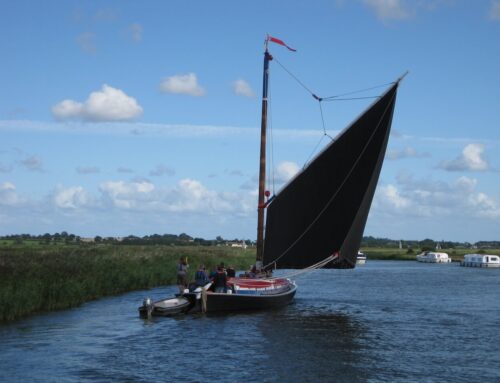
And lest we forget, here in Norfolk and much of the country, the recent “Beast from the East” began in late February 2018 and repeated itself in March that year.
Such events serve as reminders of how cold weather affects not just daily life but also the infrastructure that keeps the nation running
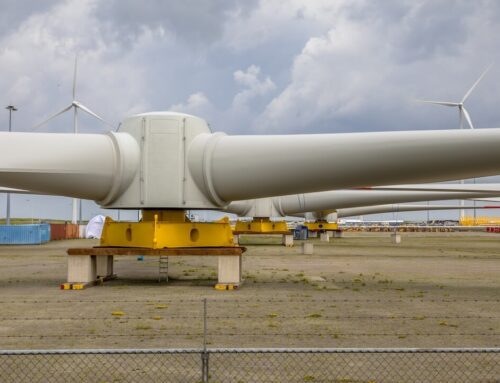
In the offshore wind industry, extreme cold conditions can pose specific engineering challenges. Ice accumulation on turbine blades, for example, can reduce aerodynamic efficiency and power output, while freezing conditions can affect hydraulic systems, sensors and access equipment.
Offshore sites in northern waters, particularly around Scotland and the North Sea, must therefore be designed and maintained to withstand these harsh conditions.
Cold weather-resistant wind turbine engineering
Cold weather engineering focuses on the resilience and performance of offshore wind turbines in sub-zero temperatures. This includes the use of anti-icing coatings, internal blade heating systems and low-temperature lubricants that remain effective in freezing climates. Structural components are designed to resist the stress caused by temperature fluctuations and ice formation. Maintenance schedules are also adapted to ensure that inspections, safety systems and access routes remain operational even in severe winter conditions.
By integrating cold-weather design principles and predictive maintenance strategies, operators can protect assets and maintain energy production through the harshest months. As the UK continues to expand offshore wind capacity into colder and deeper waters, understanding and engineering for these climatic extremes will be vital for ensuring year-round reliability and safety.
Canada’s innovations
A recent feature from Interesting Engineering highlights the remarkable innovation behind these cold-climate wind farms.
In regions such as Alberta, Manitoba, and the Canadian Arctic, where winter temperatures can plunge below –30°C frequently, meaning traditional turbine systems face significant obstacles.
Ice accumulation on blades not only reduces efficiency but can also unbalance the rotor, increasing wear and tear and raising safety concerns. Engineers and operators are tackling these challenges with a combination of material science, data technology, and proactive safety management.
Cold-resistant coatings are one of the most important developments
These advanced materials minimise the adhesion of ice and frost, helping turbines maintain aerodynamic performance even in freezing conditions. Complementing this, built-in blade heating systems use embedded electrical elements or hot-air channels to melt accumulated ice, ensuring turbines can continue to operate safely during severe weather.
Adaptive control systems are another critical component
Modern turbines now rely on sensors and smart algorithms that constantly monitor temperature, wind speed, and vibration. When conditions threaten to exceed safe operating limits, systems can automatically adjust the pitch of the blades, reduce torque, or even initiate controlled shutdowns to prevent mechanical stress and component damage.
Preventive maintenance has also evolved
Remote monitoring technology allows engineers to track turbine performance in real time, identifying early signs of icing or imbalance long before they cause operational issues. Combined with predictive analytics, this approach supports faster response times and reduces the risk of unplanned downtime.
Our perspective at HSEQ-360 Limited
For HSEQ-360 Limited, these developments underline the vital role that safety, compliance, and reliability play in the success of renewable energy infrastructure. Operating in extreme climates demands not only technological innovation but also a disciplined focus on health, safety, environment, and quality standards. Written schemes of examination, detailed risk assessments, and robust inspection schedules all contribute to the resilience and integrity of these complex systems.
As the global transition to clean energy accelerates, cold-weather engineering is becoming increasingly relevant, not only in Canada but also across northern Europe and the UK. Ensuring that renewable assets remain safe, efficient, and compliant under all conditions is a key priority for the industry.
How we can help
At HSEQ-360 Limited, we provide the expertise and assurance needed to manage these challenges effectively. From compliance reviews and asset integrity management to tailored inspection programmes, our services and support help renewable energy operators maintain operational excellence in every climate.
Partner with HSEQ-360 Limited to strengthen your safety and compliance framework and ensure your renewable energy assets are ready for the toughest environments.