Seaweed
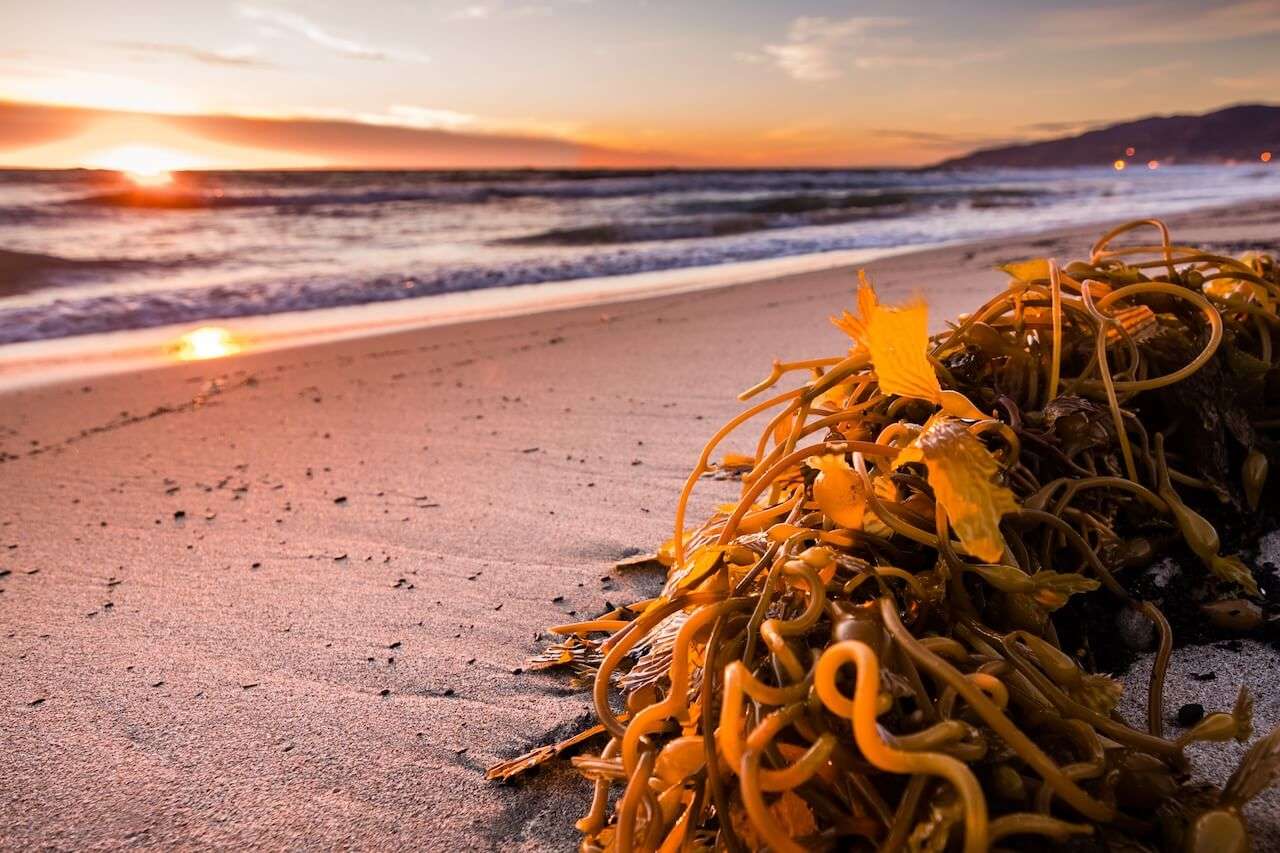
That clumpy amorphous plant that lingers on shore edges, interferes with childhood and adult enjoyment of beach holidays, swims and paddles. It has real value, you know, so read on.
The world is getting more populated, resources are finite and in some ways the old ways were the best ways.
Tesla
A Tesla is now a green status symbol, as is a Polestar or Audi E-Tron, whereas the humble electric milk float of our childhood has all but disappeared. Milk used to be delivered daily in glass bottles on an electric float. Empties were collected and cleaned and reused.
Your parents may have done multiple shops at a greengrocer, newsagent before supermarkets and the internet killed the high street.
Norfolk and Suffolk
Windmills are dotted across rural places like Norfolk and Suffolk and have become tourist heritage attractions in themselves – think Horsey and Bircham in Norfolk. Wooden structures that have left a pleasant legacy of our past.
But seaweed?
Yes, seaweed.
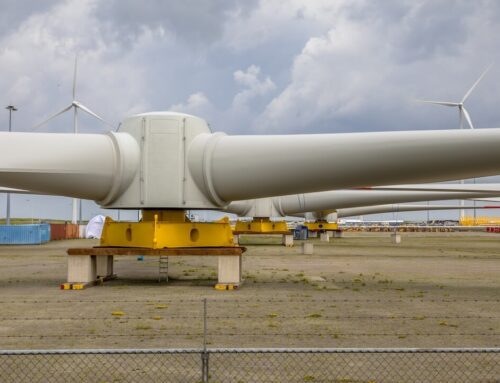
Simply Blue Group, with headquarters in Ireland, are developing the world’s first commercial-scale seaweed farm located within an offshore wind farm.
Let’s explain.
In affiliation with Amazon’s Right Now Climate Fund, this consortium is tackling climate action targets in Europe by using seaweed cultivation.
Hugh Kelly Co-Founder & CEO at Simply Blue Group said: “At Simply Blue Group, we want our marine projects to make a tangible difference, which is why we’re delighted to join this consortium. We recognise that seaweed cultivation is a valuable tool in tackling climate change and supporting our oceans. We believe that in time offshore wind farms will have multiple uses, with seaweed production being one of them. By joining NSF1 we are making the first step on that journey.”
Like trees, seaweed absorbs:
- nitrogen
- phosphorus
- carbon dioxide
Seaweed also produces oxygen, thereby being a useful part of the solution to climate change and ocean acidification.
Seaweed can be green, red or brown and it has many uses.
Seaweed has been used by humans for various purposes for centuries. In many coastal communities, seaweed is harvested for food, particularly in East Asian cuisines such as sushi and nori rolls. It is also used as a source of nutrients in fertilisers and animal feed. Additionally, seaweed extracts are used in various industrial applications, including cosmetics, pharmaceuticals, and even biofuels.
From an environmental perspective, seaweed plays a crucial role in carbon sequestration and nutrient cycling in marine ecosystems. Some scientists are exploring the potential of seaweed farming as a means of mitigating climate change by removing carbon dioxide from the atmosphere through a process called ocean afforestation or “blue carbon” sequestration.
Look down at Gorleston beach
So perhaps the next time you’re walking the beach at Gorleston, or Great Yarmouth, look down and admire the uses that can be made from this humble plant form.
Stare east too at the Netherlands and nod approvingly at Simply Blue Group’s green seaweed mission. Their mission statement is “Working with the Oceans” and is one that everyone in the offshore industry will commend.