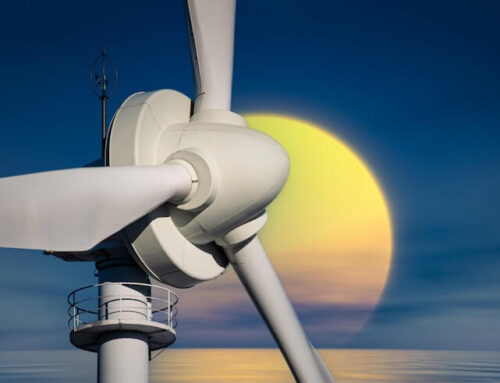
Wales is rapidly positioning itself as one of the centres of the UK’s next phase of offshore renewable energy. With strong wind resources, deep coastal waters and a growing industrial supply chain, the country is becoming a key location for the development of floating offshore wind in the Celtic Sea.
A recent £8 million investment from the Welsh Government is intended to accelerate the development of new technology capable of supporting offshore wind projects in deeper waters. The funding supports innovation in systems designed to enable floating wind deployment further offshore, where wind speeds are typically stronger and more consistent.
For the offshore energy sector, the announcement signals growing confidence in Wales as a strategic location for large-scale renewable infrastructure.
Unlocking the potential of deep-water offshore wind
Traditional offshore wind farms rely on fixed foundations that are installed directly onto the seabed. While this technology has enabled major wind farms around the UK coast, it is generally limited to relatively shallow waters.
Floating offshore wind changes this dynamic. Turbines are mounted on floating platforms that are anchored to the seabed with mooring systems, allowing wind farms to be deployed in deeper waters where fixed foundations are not feasible.
The Celtic Sea, located off the coasts of South Wales and South West England, is widely regarded as one of the most promising regions in Europe for floating wind. Early leasing rounds are expected to deliver several gigawatts of new generating capacity over the coming decade.
If successfully developed, these projects could supply electricity to millions of homes while helping the UK meet its long-term decarbonisation targets.
Wales’ growing offshore wind pipeline
Wales already has an established presence in the offshore wind sector. The Gwynt y Môr wind farm off the north Wales coast remains one of the largest offshore wind projects in the UK and demonstrated the region’s ability to support large-scale renewable infrastructure.
The next generation of projects is expected to focus increasingly on floating wind technology. Proposals such as the Erebus floating offshore wind project in the Celtic Sea represent an important step towards commercial-scale floating wind deployment.
Further north, the Awel y Môr project is set to expand offshore wind capacity off the North Wales coast, reinforcing the role of the region in the UK’s renewable energy mix.
Together these developments highlight how Wales is transitioning from early offshore wind projects to the next wave of floating wind infrastructure.
Economic opportunities across Wales
Floating offshore wind is expected to generate significant economic opportunities across Wales over the coming decades.
Ports such as Milford Haven and Port Talbot are positioning themselves as key logistics and assembly hubs for floating wind developments in the Celtic Sea. Investment in port facilities could enable the assembly of large turbine components, floating platforms and subsea infrastructure before installation offshore.
Beyond ports, the wider supply chain also stands to benefit. Engineering firms, marine contractors, fabrication yards and specialist consultancies all play critical roles in delivering complex offshore energy projects.
For Wales, the expansion of offshore wind represents not only a major step forward for renewable energy generation but also a long-term opportunity to support skilled jobs, regional growth and industrial innovation.
Delivering offshore wind safely and responsibly
As offshore wind projects increase in scale and complexity, strong health, safety, environmental and quality management will remain central to successful project delivery.
From offshore installation and marine operations to long-term asset management, projects require rigorous safety systems, environmental oversight and regulatory compliance throughout their lifecycle.
HSEQ-360 Limited supports energy developers, contractors and infrastructure projects across the UK with specialist expertise in health, safety, environmental and quality management. Services include: HSEQ management systems, project auditing, environmental compliance and supply chain assurance.
See more on our Services page.