We’re sure, at HSEQ- 360 Limited, that you’re familiar with the Shard (and its slightly squatter neighbour, The Gherkin). It is Western Europe’s tallest building at just shy of 310 metres (or 1016 feet if imperial is your preferred measuring mode). It has 72 storeys, with one story breaking when Adam Lockwood, just 21, illegally climbed it – without ropes or shoes. He was jailed for his dangerous stunt.
Floating wind farms in the South West
You didn’t click a social media link though, we hope, for a potted history of tall buildings, but there is some logic in this second October blog post – a new floating wind farm, with turbines as high as the Shard, is set for manufacture at Avonmouth Dock, with installation off the South West and South Wales coastlines.
This is another project led by the Crown Estate and the fledgling Great British Energy.
As well as the wind turbine heights, other stats are impressive:
- 5,300 new onshore jobs created for the supply chain, including the port of Bristol
- 40,000 new jobs anticipated by 2040 – just 16 years away
- A £1.4 billion economic boost locally
Three new proposed sites
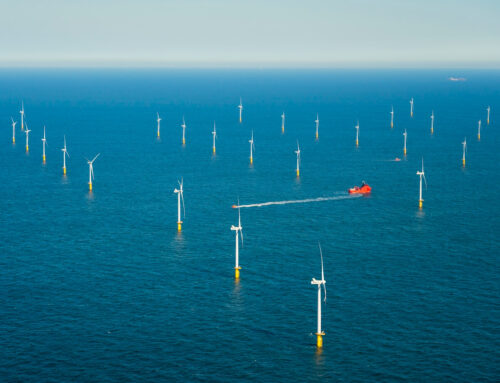
There are three proposed sites for the new wind farms, each on a floating farm the size of a football pitch. 4.5GW of renewable energy will be generated each year from their launch date in 2030.
The proposal have met with approval from Mike Bell, Lib Dem MP and Council Leader, who says:
“Brilliant to see proposals from @bristolport for a new Bristol Wind Terminal at Avonmouth. The wider benefits will be significant and help North Somerset and the West of England capitalise on investment and jobs from Celtic Sea energy.”
Floating wind farms are the now and future?
What this shows to us, and the wider sector, that the reservations about floating wind technology (primarily higher costs but easier maintenance, as we blogged about here) are slowly dissipating. You can also read about Maine’s floating wind farm proposals (with an embedded explainer video) in a recent blog post from Steve Cook here too.
The developments at Avonmouth build upon the established success of Hywind Scotland. They pioneered, in partnership with Equinor and Masdar, the UK’s and world’s very first floating wind farm, in 2017.
With 5 turbines, covering 4 square kilometres, this has been groundbreaking with the highest average capacity of all UK windfarms. The Hywind scheme powers 35,000 UK homes – the Bristol one has 260 turbines and will power 4 million homes.
Which other sector in the UK shows such astounding progress and innovation?
“We look forward to working with industry, governments and local communities to ensure the potential of this new technology is truly realised.” Energy Security and Net Zero Secretary Ed Miliband said: “Floating offshore wind is a world-leading technology that can play a vital role in our efforts to boost energy independence, create good jobs, and tackle the climate crisis.”
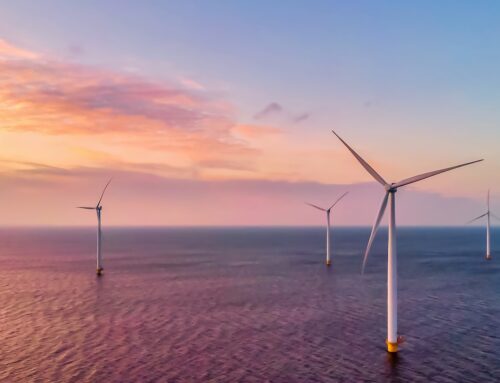
260 wind turbines, standing Shard-like out at sea, is a very exciting offshore development.
How HSEQ-360 Limited can help your offshore company
HSEQ-360 Ltd utilise a team with wide ranging skills, competencies and experiences; including chartered engineers, chartered health and safety and chartered quality professionals. HSEQ-360 can certainly review your company’s operations and management systems and implement sustainability strategies which are reasonable and practicable for your business.
We operate a management system which is certified to ISO9001, ISO14001 & ISO45001; and we are specialists in developing bespoke management systems for your business. We can complete an environmental impact on your behalf and can provide practical recommendations on how to proceed environmentally.
For further information, please see our website, follow our active LinkedIn channel, or contact a member of the team on info@hseq-360.co.uk